Wemba Wemba Culture and Traditions
Cultural Practices and Oral Traditions
Storytelling is a vital means of transmitting knowledge and strengthening social bonds within Wemba Wemba culture. Oral traditions preserve history, beliefs, and cultural continuity, ensuring that knowledge is passed down through generations. These narratives, often referred to as Dreamtime stories, explain the creation of the land and the interconnectedness of all things.
Ceremonies play a central role in Wemba Wemba culture, honoring ancestral spirits and the natural world. These ceremonies often involve rituals that reinforce the deep connection between the people and their land, particularly the Murray River and surrounding waterways.
Traditional Artifacts
Possum Skin Cloaks

Possum skin cloaks are among the most significant cultural artifacts for the Wemba Wemba people. These cloaks were traditionally used for warmth and ceremonial purposes, but they serve a much deeper cultural function as canvases for storytelling.
Wemba Wemba possum skin cloaks feature intricate designs representing:
- Clan identity and personal stories
- Sun designs
- Red-tailed black cockatoo (Wemba Wemba totem)
- Lake Boga representations
- Murray River designs
Traditional creation methods include using ochre and burning designs with hot iron. Notable examples include cloaks created by Wemba Wemba Elder Fay Muir and Wemba Wemba and Barapa Barapa Elder Phoebe Nicholson, which feature scenes from the Murray River depicting healing ceremonies and cultural life.
Cultural Significance
Possum skin cloaks are not merely functional garments but serve as living documents of cultural identity, connecting wearers to their country, ancestors, and community.
Scar Trees
Scar trees are physical markers of historical Indigenous presence, created by removing bark for various purposes:
- Making canoes
- Creating shields
- Making coolamons (carrying vessels)
- Sacred purposes, such as indicating burial sites
These scarred trees are vectors for cultural identity and are essential in establishing pre-contact occupation of an area. They provide important insights into understanding traditional culture and practices. Contemporary artists, including those of Wemba Wemba heritage, have created installations like "Scar – A Stolen Vision" that reflect on the significance of these cultural markers.
Mili-mili-u (Nose Ornament)
The mili-mili-u is a traditional nose ornament worn through the pierced septum. Made from the leg bone of an emu or kangaroo, it was worn by boys until their coming-of-age ceremonies, representing an important cultural rite of passage.
Art Forms
Traditional Art
Traditional Wemba Wemba art encompasses various forms:
- Painting: Depicting Dreamtime narratives and significant natural features
- Carving: Creating tools, ornaments, and ceremonial objects
- Weaving: Intricately woven baskets from river reeds
- Bark etchings: Traditional designs on bark
Each art form carries unique significance and is often used in ceremonies or cultural events, serving to preserve and transmit cultural knowledge.
Contemporary Art
Modern Wemba Wemba artists continue to celebrate and preserve their heritage through various art forms. Contemporary artists blend traditional designs with contemporary media, creating works that reflect their cultural heritage while addressing modern issues.
Notable contemporary artists include Emma Bamblett, Kelly Koumalatsos, Maree Clarke, and others who continue the cultural heritage through art. Their works are featured in galleries and collections including the National Gallery of Victoria and City Collection Melbourne.

Spiritual Beliefs
Wemba Wemba spiritual beliefs are deeply connected to the land and natural features. Ceremonies honour ancestral spirits, and sacred sites along the Murray River hold immense significance. The connection between community and country is fundamental, emphasising the importance of custodianship and acknowledgement of traditional lands.
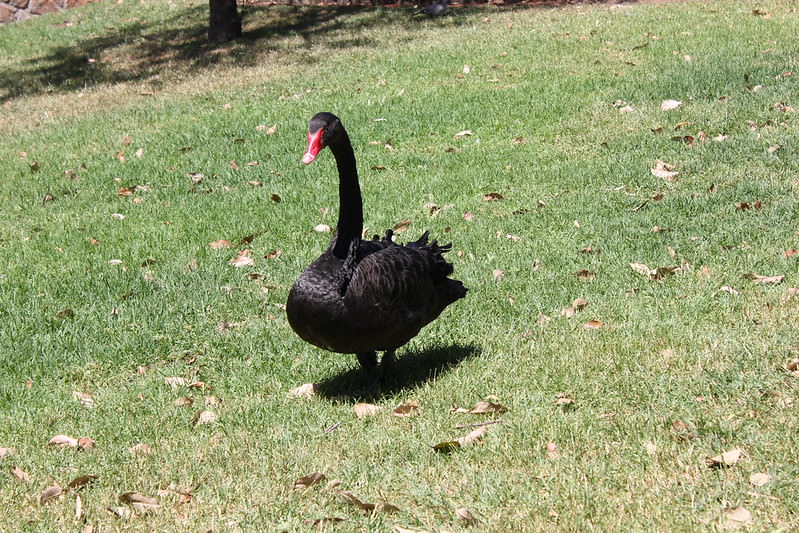
Totems play a vital role in Wemba Wemba culture, symbolizing deep connection to the natural world. The red-tailed black cockatoo and black swan are significant totems, representing the people's bond with these species and their environment.
Traditional Foods and Dietary Practices
The traditional Wemba Wemba diet was diverse and sustainable, reflecting deep knowledge of the local environment:
Fish and Seafood
- Murray cod
- Golden perch
- Eels
Caught using sophisticated traps, nets, and spears, with techniques designed to minimize environmental impact.
Game
- Kangaroos
- Emus
- Various birds
Plant Foods

Gathered by women, including:
- Yams
- Murnong (Daisy Yam) - Microseris lanceolata
- Seeds for flour
- Various fruits and berries
- Nuts and tubers
Sustainable harvesting practices ensured the ongoing availability of these resources, reflecting a harmonious relationship with the environment.
Traditional Tools and Crafts
Wemba Wemba people were skilled artisans, creating various tools and items:
- Coolamons: Wooden carrying dishes
- Digging sticks: For gathering plant foods
- Stone tools: For various purposes
- Woven baskets: Intricately woven from river reeds
- Shelters: Designed to be easily moved, reflecting sustainable relationship with environment
- Canoes: Made from scarred trees
- Shields: Made from bark
- Nets and traps: For fishing
Language and Cultural Expression
The Wemba Wemba language is integral to cultural expression and identity. Language switching was observed historically, with community members using different languages to maintain privacy when needed, demonstrating the strategic use of language as a cultural tool.
Contemporary Cultural Preservation
Today, Wemba Wemba culture continues to thrive through community initiatives, language revival programs, and the work of contemporary artists. The recognition of the Wamba Wemba Aboriginal Corporation as a Registered Aboriginal Party provides formal mechanisms for protecting and preserving cultural heritage.
For more information about contemporary Wemba Wemba community and artists, visit our Community page, or explore educational resources to learn more about Wemba Wemba culture.