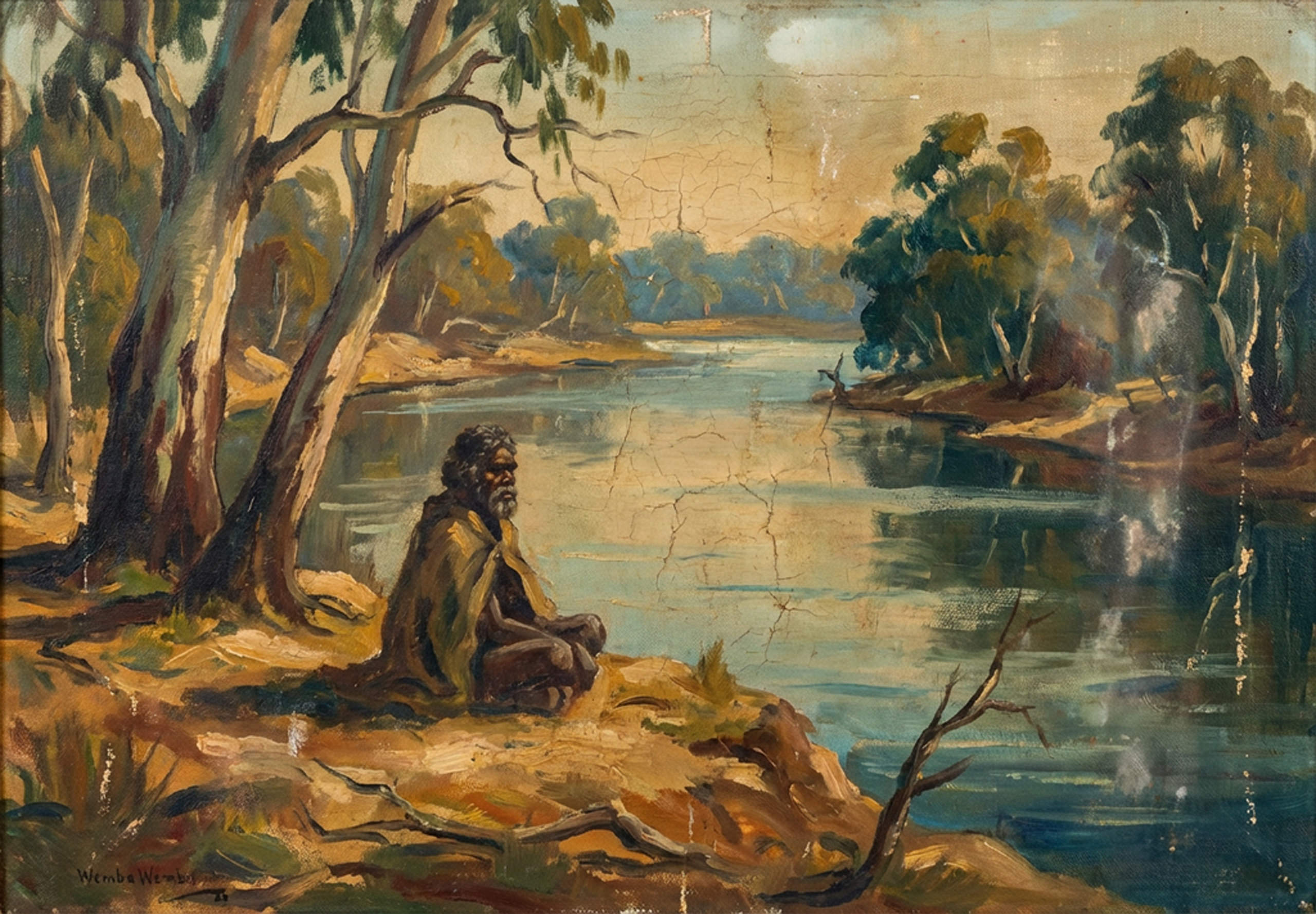
The History of the Wemba Wemba People
Traditional Lands and Territory
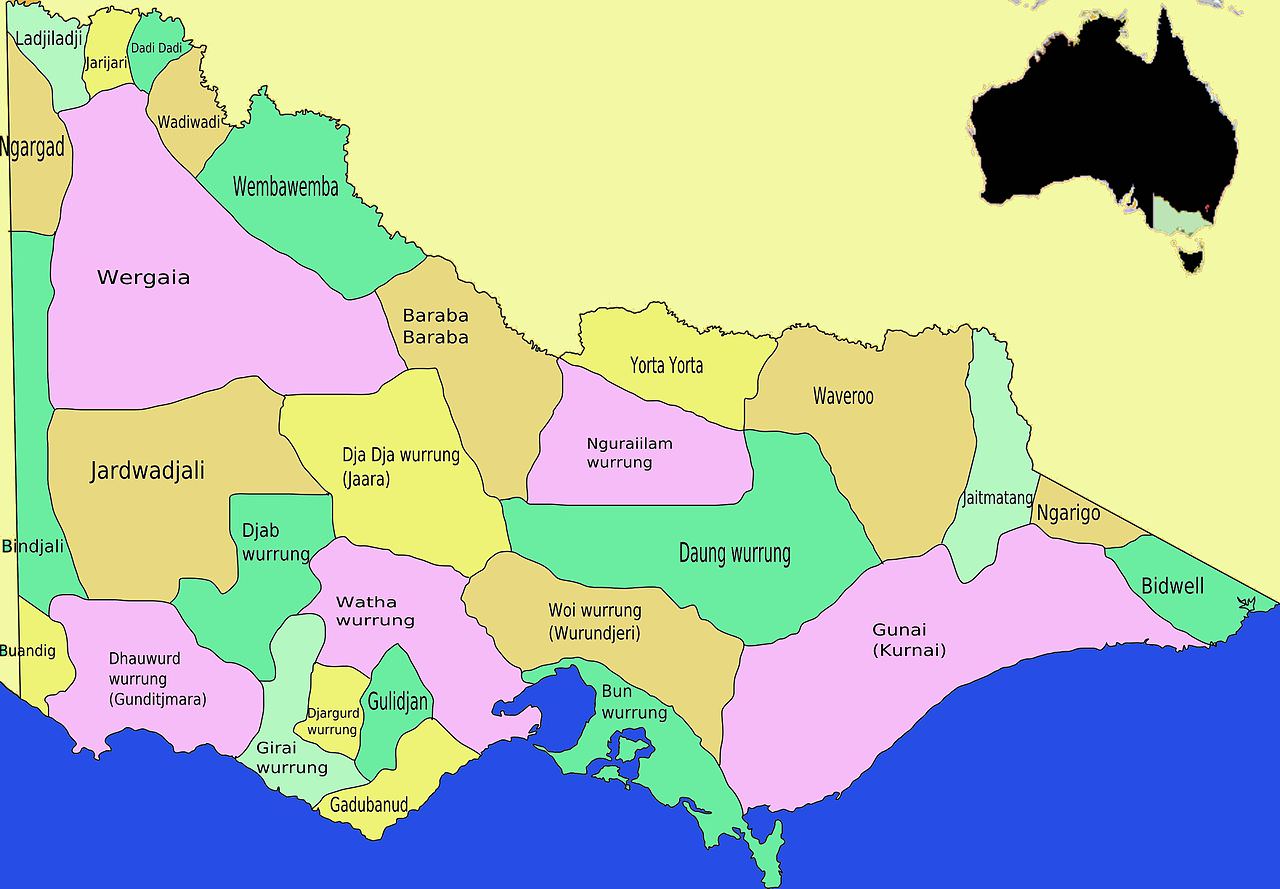
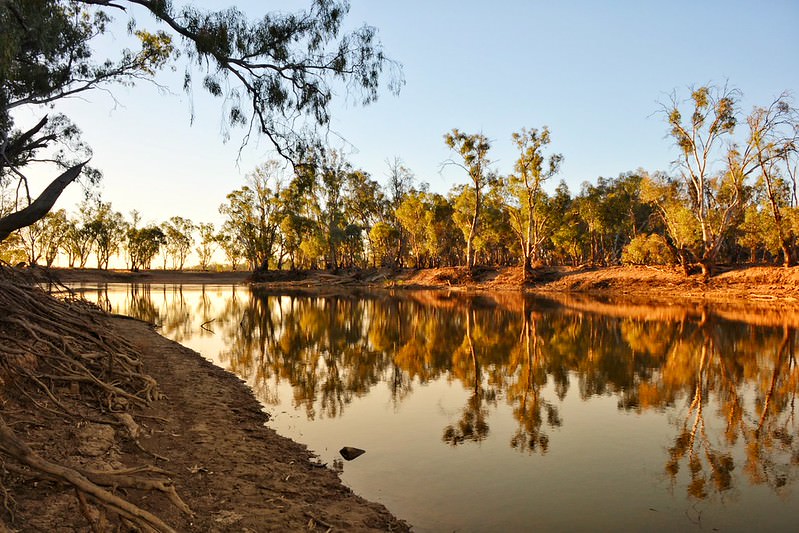
The Wemba Wemba people, also known as Wamba Wamba, are the traditional custodians of extensive territories spanning north-western Victoria and south-western New South Wales. Their traditional lands encompass approximately 3,200 square miles, including areas around the Loddon River, extending north from Kerang to Swan Hill, and regions along the Avoca River and Murray River.
Key locations within Wemba Wemba traditional territory include:
- Loddon River - Central to traditional territory
- Murray River - Significant boundary and resource area
- Avoca River - Part of traditional lands
- Lake Boga - Significant location, site of historical mission
- Kerang - Southern boundary of traditional lands
- Swan Hill - Northern extent in Victoria
- Boort - Traditional territory location
- Barham, Moulamein, Booroorban - Extends into New South Wales
- Mallee Scrub -
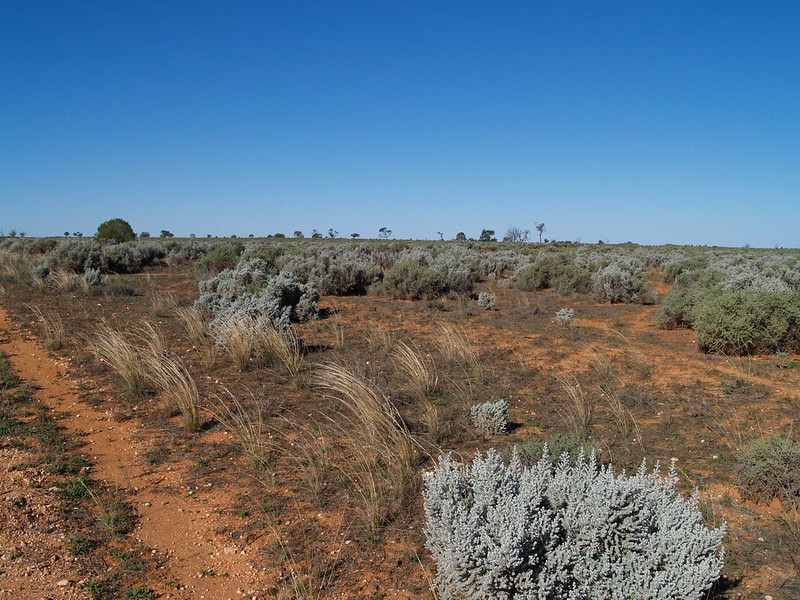 North of Lake Victoria
Pre-Colonial Period
Before European settlement, the Wemba Wemba people maintained a rich and complex social structure. They were organised into five hordes (clan groups), each associated with specific regions:
- Towaninny
- Meelool Station
- Lake Boga
- Gonn on the Murray River (Dietjenbaluk - "always on the move")
- Bael Bael
Each horde had distinct identity and role within the broader Wemba Wemba society. The traditional social structure was clan-based, with each clan having distinct territories and specific roles and responsibilities within the community structure.
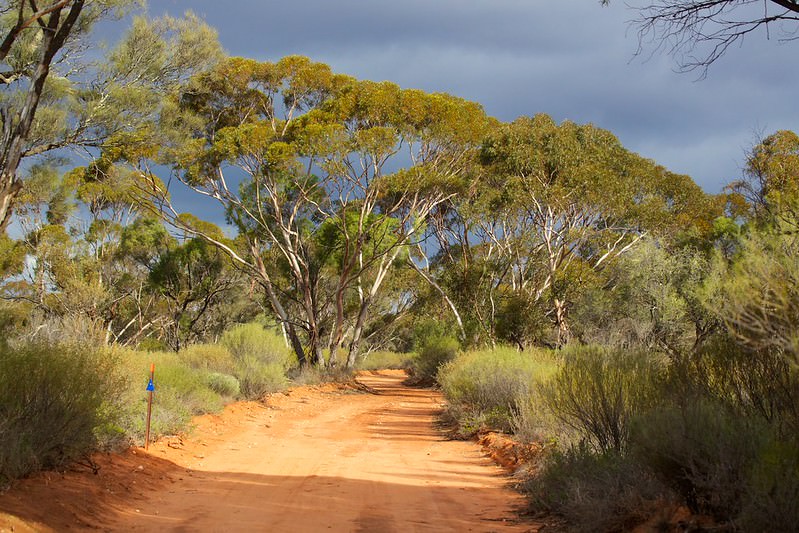
Rich oral traditions preserved history and cultural knowledge, maintaining a deep connection to land, waterways, and natural features. The Wemba Wemba people developed sophisticated systems for sustainable resource management and traditional governance.
European Contact and Settlement
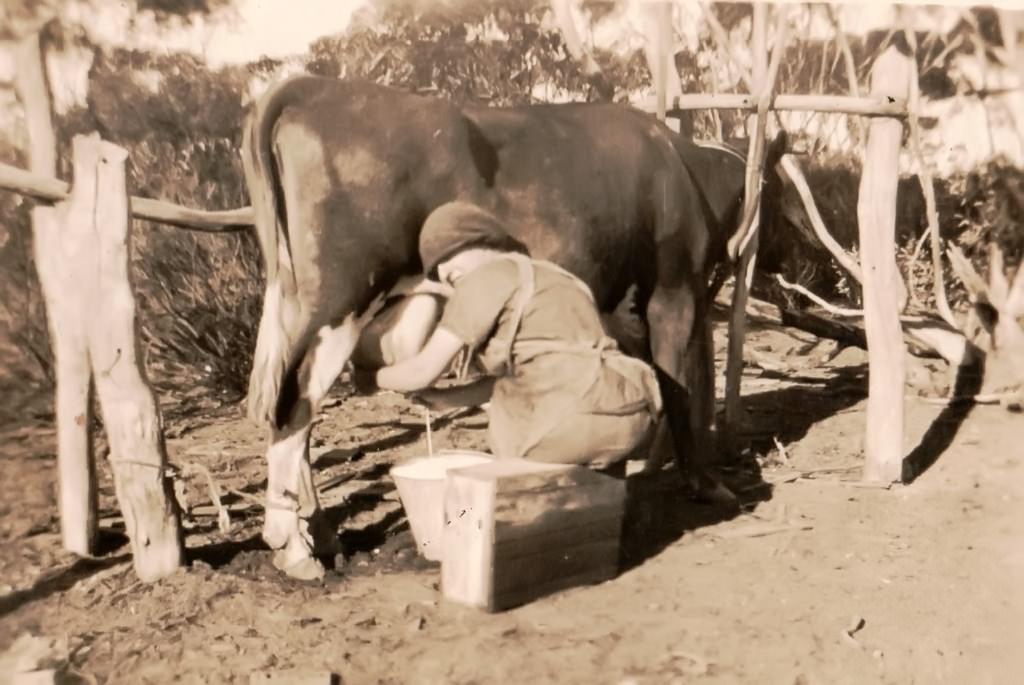
European settlers arrived in the 19th century, bringing significant changes to Wemba Wemba traditional way of life. The impact included:
- Dispossession from traditional lands
- Destruction of traditional hunting grounds
- Exposure to diseases
- Population decline
Despite these challenges, the Wemba Wemba people demonstrated resilience, including the strategic use of language switching. When Moravian missionaries began learning the Wemba Wemba language, community members would switch to another language to keep certain matters private from outsiders, demonstrating their agency and cultural protection strategies.
Lake Boga Mission (1851-1856)
In 1851, German Moravian missionaries established the Lake Boga Mission on Wemba Wemba land, aiming to convert local Aboriginal people to Christianity. However, the mission faced numerous challenges:
- Resistance from Wemba Wemba people
- Disputes over land
- Lack of converts
The mission closed in 1856 without achieving its goals, reflecting the Wemba Wemba people's determination to maintain their cultural identity and autonomy.
Contemporary Developments
In recent years, significant milestones have been achieved in the recognition and empowerment of the Wemba Wemba people:
2024 Recognition
- August 2024: Wamba Wemba Aboriginal Corporation recognised as Victoria's 12th Registered Aboriginal Party
- 2024: First Peoples' Assembly of Victoria creates reserved seat for Wamba Wemba representatives
These achievements represent important steps in the ongoing efforts to preserve and revitalize Wemba Wemba culture and language, while empowering the contemporary community.
Social Structure and Organisation
The traditional Wemba Wemba social structure was organised around clan-based communities, each with distinct territories and roles. This organisational system ensured sustainable management of resources and maintained cultural knowledge through generations.
Traditional governance systems guided community decision-making and maintained social harmony. The deep connection to specific territories and waterways shaped not only social organisation but also spiritual beliefs and cultural practices.
Preserving History
Today, the Wemba Wemba people continue to preserve and share their history through oral traditions, cultural practices, and educational initiatives. The recognition of the Wamba Wemba Aboriginal Corporation as a Registered Aboriginal Party provides formal mechanisms for protecting cultural heritage and managing traditional lands.
For more information about contemporary Wemba Wemba community initiatives, visit our Community page, or explore educational resources to learn more.